Skip links

AI WASHING

False AI claims, real legal consequences

AI washing is the practice of slapping an "AI-powered" label on a product to boost its perceived value, without the technology to back it up. It can mean outright fabricating AI capabilities, overstating how much AI actually does in a product, or using buzzwords like "smart" and "intelligent" as decoration rather than description. The product fetches a premium price. The consumer gets something far less than what was promised. Clarkson Law Firm is holding these companies accountable. If you bought a product based on AI claims that turned out to be false, you may have a case.

Key Insights

   AI washing is a deliberate strategy, not a mistake.

   Even the largest corporations are doing it — it’s not just a startup problem.

   Regulators have noticed, but class action litigation is the sharper tool.

AI Washing
AI washing law firm

The "AI" label is being sold. The technology isn't.

The AI marketing boom has created one of the most fertile conditions for consumer fraud in a generation. When every product claims to be intelligent and every company claims to be at the frontier of technology, the average consumer has no reasonable way to distinguish genuine innovation from a rebranded legacy system. That information gap is not an accident. It is a profit strategy.

That is the core of AI washing as a legal matter. It is not about imperfect technology or ambitious roadmaps. It is about companies making specific, material promises to drive purchases, then failing to deliver while keeping the money. Consumer protection law exists precisely for this situation, and class actions are the mechanism that makes accountability possible at the scale these campaigns operate.

"We're seeing it with artificial intelligence — another form of AI washing. That would be corporations who are trying to show that they're able to deliver an economic benefit to their shareholders by harnessing the power of AI, when in fact they're not really harnessing the power of AI at all."

Ryan Clarkson - Managing Partner, Clarkson Law Firm, Represent More episode 1

Our AI Washing Legal Team

PRESS & MEDIA

Were you misled by AI claims?

FREQUENTLY ASKED QUESTIONS

AI washing is a deceptive marketing practice in which a company falsely claims or significantly overstates that its product uses artificial intelligence. This can range from fabricating AI features entirely to labeling basic automation as machine learning. The goal is almost always the same: to appear more advanced and command higher prices or investment than the actual product warrants.

It operates on the same legal principles as other false advertising, but with a specific advantage for bad actors: most consumers cannot independently verify whether a product truly uses AI. Companies exploit that knowledge gap deliberately. The AI label carries strong associations with innovation, accuracy, and value, making it especially effective as a misleading claim and especially harmful when it turns out to be empty.

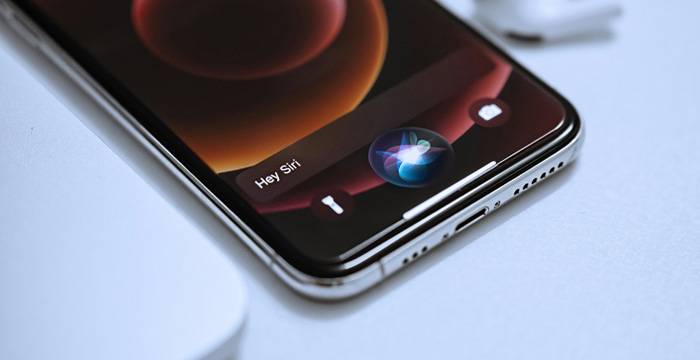
Amazon promoted a cashierless checkout system as a showcase of AI capability, but reporting revealed that the majority of transactions were actually reviewed by human workers rather than processed by machine learning. Clarkson filed suit against Apple after its nationally advertised "Apple Intelligence" features for the iPhone 16 were allegedly not functional at the time consumers purchased their devices. These are not edge cases. They reflect how common it has become for major companies to market the idea of AI rather than the reality of it.
Yes. At the federal level, the SEC has pursued enforcement actions and obtained civil penalties against companies that made false AI claims to investors. On the consumer side, AI washing violates state and federal false advertising and unfair competition laws when those claims are used to sell products to the public. Class actions under these laws can result in financial compensation for affected consumers and court orders requiring companies to correct their marketing.

Anyone who purchased a product or service after being exposed to AI marketing claims that turned out to be false, unavailable, or substantially exaggerated may have a viable claim. This includes consumers who bought devices, software, subscriptions, or services that were advertised with specific AI capabilities the company did not deliver.

A member of the Clarkson team will review your submission and follow up to learn more about your purchase and what you were promised.  There is no obligation to proceed.

Not usually, because a financial injury for false advertising occurs at the point of purchase. Availing yourself of the consumer protection laws and participation in a consumer class action are not legal grounds for corporate retaliation against you. However, continued use of the product or service can create the impression that the misrepresentation did not matter to you. The key takeaway is to be honest about your experience.

Outcomes can include financial compensation for consumers who overpaid based on false AI claims, refunds, and injunctive relief requiring companies to change how they describe their products going forward. Class actions are the right vehicle for this type of harm because the individual loss per consumer may be modest, but the aggregate harm across thousands or millions of buyers is substantial, and the legal pressure class actions create is what actually changes corporate behavior.

Fill out the form on this page. Describe the product you purchased, what AI features were advertised, and what you actually received. Our team will handle the legal analysis from there.

OTHER AI LEGAL FOCUS AREAS

AI Harm

In some of the most devastating cases, AI chatbots have encouraged vulnerable users to take their own lives, exposing the deadly consequences of deploying AI without adequate safeguards.

AI and Intellectual Property Theft

AI companies have scraped the creative work of writers, artists, and developers without consent or compensation to train their products.

AI Washing

AI Washing

Companies are deceiving consumers and investors by exaggerating or fabricating the AI capabilities of their products and services.

AI in Healthcare

Insurance companies are deploying AI systems to wrongfully deny patient claims, overriding physician judgment and putting profits above care.

AI Taskers and Trainers

The human workers who label data and train AI models are being misclassified as independent contractors, denying them wages, benefits, and legal protections they are owed.

Join our mailing list to stay current with Clarkson’s AI-related cases.

Name(Required)

By submitting this form, you agree to the Terms of Service and Privacy Policy.