
Why AI Self-Regulation Needs Real Enforcement
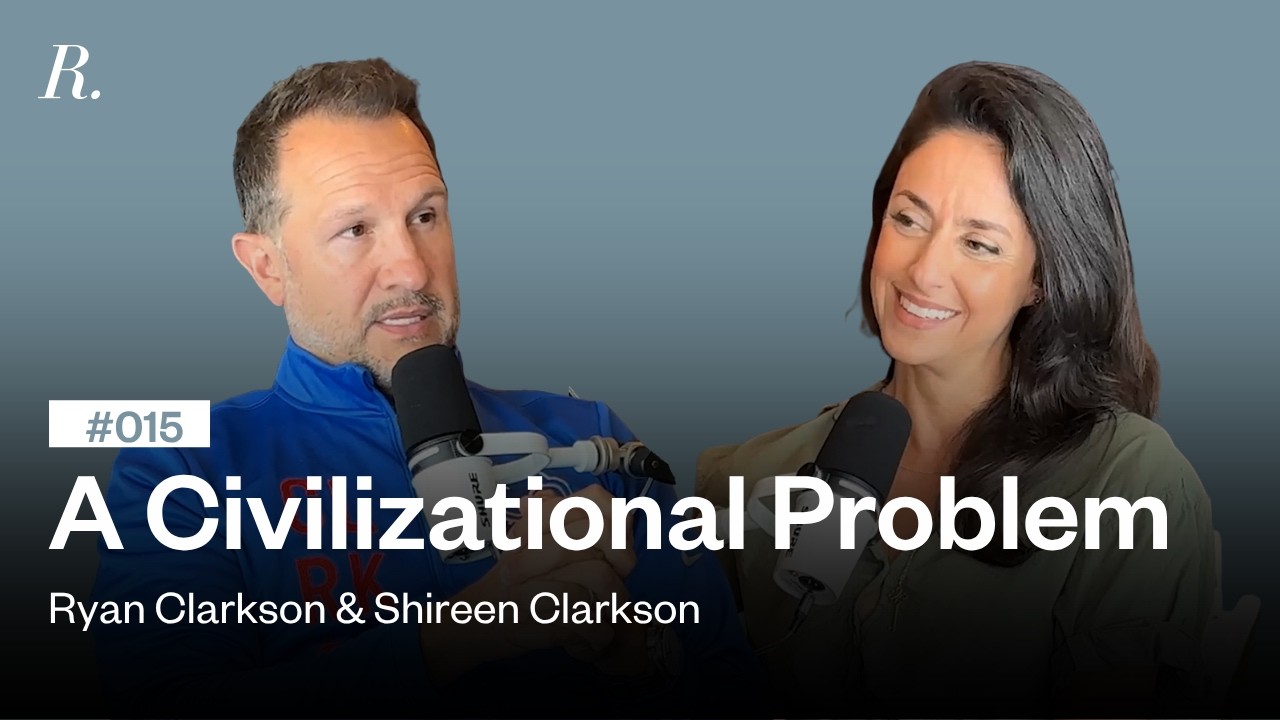
Welcome to Represent More, a production of We Are Them Media. In Episode 16, Ryan and Shireen Clarkson discuss AI self-regulation, what meaningful accountability for artificial intelligence could look like, and California’s new certification for foods labeled as non-ultra-processed.
The conversation begins with a bigger question: if we could return to a world before AI, would we? Ryan and Shireen weigh the technology’s promised benefits against AI harms they say are already emerging, from intellectual dependence on AI tools to cases involving chatbots allegedly linked to teen suicides.
They then turn to a newly announced White House agreement with leading AI companies. The four-part framework calls for internal controls, internal oversight, independent external audits, and board oversight. But Ryan and Shireen question what those promises mean without specific requirements, enforcement mechanisms, or penalties for noncompliance.
The agreement was described as “morally binding,” prompting a larger discussion about whether voluntary commitments can realistically govern companies facing enormous financial pressure to move faster than their competitors. Ryan argues that real accountability requires clear rules and meaningful civil (and in serious cases, criminal) consequences for harm.
The episode then shifts to California’s newly signed non-ultra-processed food certification. The program will let qualifying foods display a state-certified seal based on restrictions on certain dyes, flavor enhancers, sweeteners, and other ingredients.
Ryan and Shireen examine whether the seal will actually help consumers or create another marketing claim that could be misunderstood or manipulated. They compare it with organic labeling and discuss how government-certified claims can shape a product’s overall impression while also raising legal questions in consumer false-advertising cases.
Topics Covered This Episode
- Ryan and Shireen Clarkson on whether they would choose a world without AI
- Why Big AI’s “morally binding” agreement may fall short without enforcement
- What real civil and criminal accountability for AI harms could look like
- How political and economic incentives may be slowing meaningful AI regulation
- Ryan and Shireen on California’s new non-ultra-processed food seal
- Why government-certified labels can still create confusion for consumers
Promises alone are not protections. Whether the issue is artificial intelligence or food labeling, meaningful accountability depends on clear standards, real enforcement, and consequences when companies cause harm.
Represent More is available wherever you get your podcasts. Subscribe and find the show on Substack at representmore.substack.com.