

Wearable Health Devices False Advertising
Wearable health devices may not track your health as advertised, and you could be owed compensation.
Key Takeaways
● Wearable health devices, rings, watches, and bands, are marketed as clinical-grade tools for tracking sleep, heart health, and recovery. A new class action against Oura alleges their ring can't back up those claims.
● Oura markets its ring as up to 95% accurate at sleep staging compared to a clinical sleep lab. The complaint alleges the ring can't actually detect the signals (brain activity, eye movement, muscle tone) that real sleep labs use, and instead relies on AI guesswork the complaint calls no more reliable than a coin flip.
● Sleep tracking is one example of the bigger question: does your device measure what it claims? If you use a wearable health device, ring, watch, or band, tell us which one.
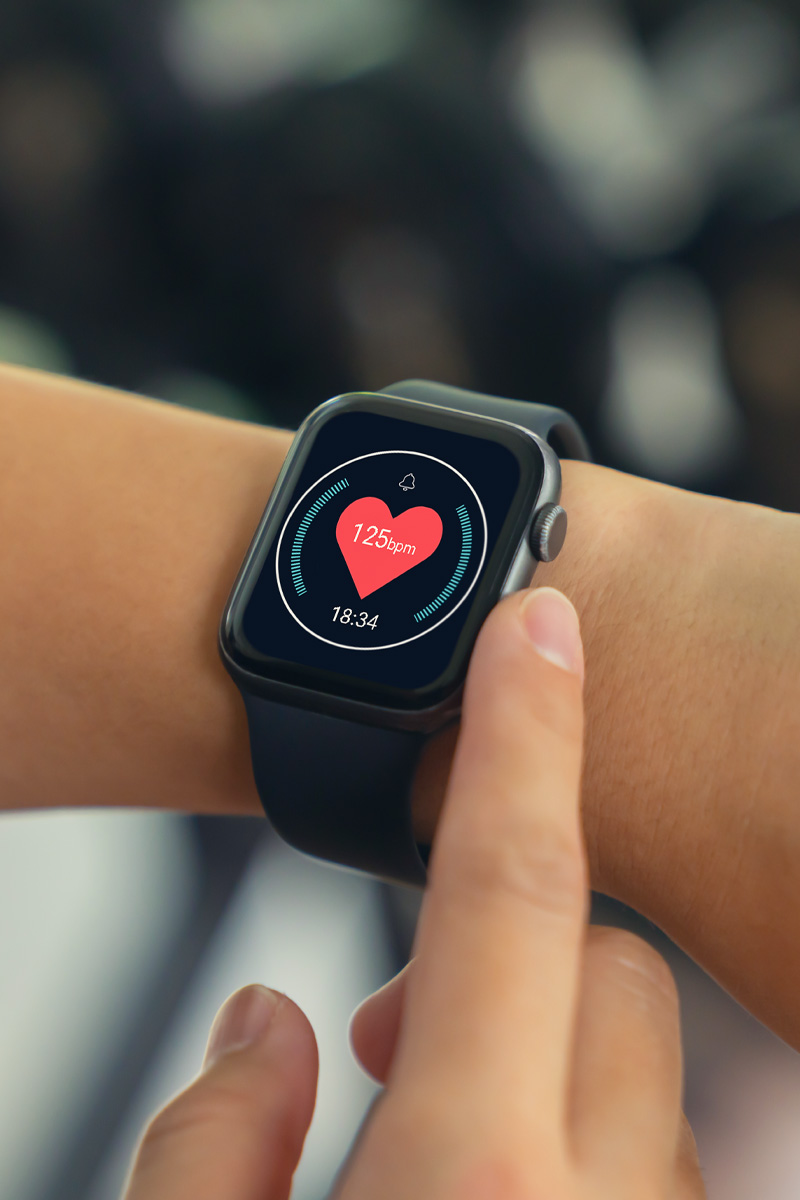
Wearable rings, watches, and bands are sold as clinical-grade tools that can tell you how you slept, how stressed you are, and how well your body is recovering. A new lawsuit against Oura alleges that promise doesn't hold up. The complaint says Oura's ring cannot measure any of the physiological signals doctors use to determine sleep quality or sleep stages. What you get instead is an AI-generated guess dressed up as science.
If you wear a health tracking device, such as a sleep tracker, smart ring, smartwatch, fitness trackers, and smart glasses, tell us which one and what it claims to measure.
If you wear a health tracking device, such as a sleep tracker, smart ring, smartwatch, fitness trackers, and smart glasses, tell us which one and what it claims to measure.
What This Case Is About
Millions of people check a score on their wrist or finger before they check in with themselves: a sleep score, a readiness score, a stress score. These devices are marketed as a way to understand your body in numbers you can trust. But according to the lawsuit against Oura, some of those numbers aren't measurements at all. They're inferences, built from whatever signals the device can pick up (heart rate, movement, skin temperature), dressed up as a precise readout of something the device was never able to measure in the first place.
The complaint points to Oura's own marketing, which claims sleep staging accuracy compared to a clinical sleep lab. Real sleep labs rely on multiple electrodes to track brain activity. Oura's ring has none of that. The suit alleges that gap between what's claimed and what the device can actually do is exactly the kind of deception consumer protection law exists to stop.
Oura's ring is the device at the center of this filed case. But the same question applies across the market: does the device on your wrist or finger actually measure what its marketing claims? If you wear a different brand, or a different type of tracker, tell us which one and what it's supposed to measure.
By completing this form, you agree to Clarkson Law Firm’s Privacy Policy, and to be contacted by Clarkson Law Firm via phone, email, or text regarding your submission.
The complaint points to Oura's own marketing, which claims sleep staging accuracy compared to a clinical sleep lab. Real sleep labs rely on multiple electrodes to track brain activity. Oura's ring has none of that. The suit alleges that gap between what's claimed and what the device can actually do is exactly the kind of deception consumer protection law exists to stop.
Oura's ring is the device at the center of this filed case. But the same question applies across the market: does the device on your wrist or finger actually measure what its marketing claims? If you wear a different brand, or a different type of tracker, tell us which one and what it's supposed to measure.
By completing this form, you agree to Clarkson Law Firm’s Privacy Policy, and to be contacted by Clarkson Law Firm via phone, email, or text regarding your submission.
Please fill out this form.
" " indicates required fields
Attorney Advertising. Past results do not guarantee future results.
It is important to know that a lawsuit must be filed within a certain period of time called a "statute of limitations." Therefore, unless you enter into a written representation agreement with Clarkson Law Firm, you should immediately consult with another lawyer to protect your rights.
Together, we can hold wearable health device companies accountable for misleading consumers.
Frequently Asked Questions
A class action is a lawsuit where a group of people who were harmed in the same way by the same company join together to hold that company accountable. Instead of everyone filing separately, you move as one, which gives individuals real leverage against large corporations.
No. Our firm only gets paid if a settlement or judgment is reached. You pay nothing out of pocket, win or lose.
Submit your information using the form on this page, including which wearable device(s) you use. Our team will follow up.
Our intake team reviews your submission and will reach out with further questions. If the case moves forward and a settlement is reached, you'll be contacted with instructions on how to make a claim.
Compensation depends on the outcome of the specific case tied to your device and the number of people involved. The goal isn't just a check; it's stopping device makers from marketing guesswork as clinical-grade accuracy.
Cases like this vary widely in length, depending on complexity and whether it goes to trial. We'll keep you informed of major developments.
Submit your information anyway, including which device you use. Our team will review your situation. There's no obligation, and it costs nothing to find out.
Wearable device makers have sold these claims to millions of people. Individually, that's not worth a lawsuit for most people. Together, it's real leverage. Your submission, and the device you tell us about, is part of what makes accountability possible.
PRESS
Wall Street Journal
| September 6, 2026
Which Sleep Data to Trust From Oura and Other Wearables
In May, Madison Surber bought an Oura ring for precise sleep tracking. Instead, she felt duped, filing...
Inc
| September 3, 2026
Want a Good Night’s Sleep? Stop Worrying About Sleepmaxxing—and Ditch the Fitness Trackers
A recent class-action lawsuit has also raised questions about whether or not sleep-tracking devices are...
Gizmodo
| August 21, 2026
Proposed Oura Lawsuit Highlights Wearables’ Health Limitations
The company is being accused of misrepresenting its smart rings' ability to accurately track sleep
Quartz
| August 21, 2026
Oura smart ring is being sued over claims its sleep-tracking accuracy is wildly exaggerated
The lawsuit, filed Thursday in California, alleges Oura's sleep-stage estimates are no better than a...
PC Mag
| August 21, 2026
Are Smart Rings Accurate? Lawsuit Says Oura Sleep Tracking Isn't Good Enough
A proposed class action lawsuit says the popular smart ring company is falsely advertising its produ...
USA Today
| August 21, 2026
Oura ring doesn't accurately measure sleep quality, lawsuit says
Oura rings oversell their ability to track a wearer’s sleep, a new class-action lawsuit alleges.
TechCrunch
| August 21, 2026
Oura faces lawsuit accusing it of misleading consumers about sleep-tracking accuracy
A proposed class action lawsuit is accusing smart ring maker Oura of deceiving consumers about the accuracy...
Inc
| August 21, 2026
Oura Ring Is Heading Toward an IPO. Now a Lawsuit Targets One of Its Biggest Selling Points
A new class action lawsuit demands Oura change its marketing claims about sleep tracking and compensate...
CNET
| August 20, 2026
Oura Faces Lawsuit Over Alleged Inaccurate AI Sleep Tracking
A lawsuit has been filed against the well-known smart ring brand Oura, alleging the company used false...
Bloomberg Law
| August 20, 2026
Oura Class Suit Alleges Sleep Quality Measurement Deception
Oura falsely advertised its tracking rings as able to track the quality of the wearer’s sleep cycles,...